

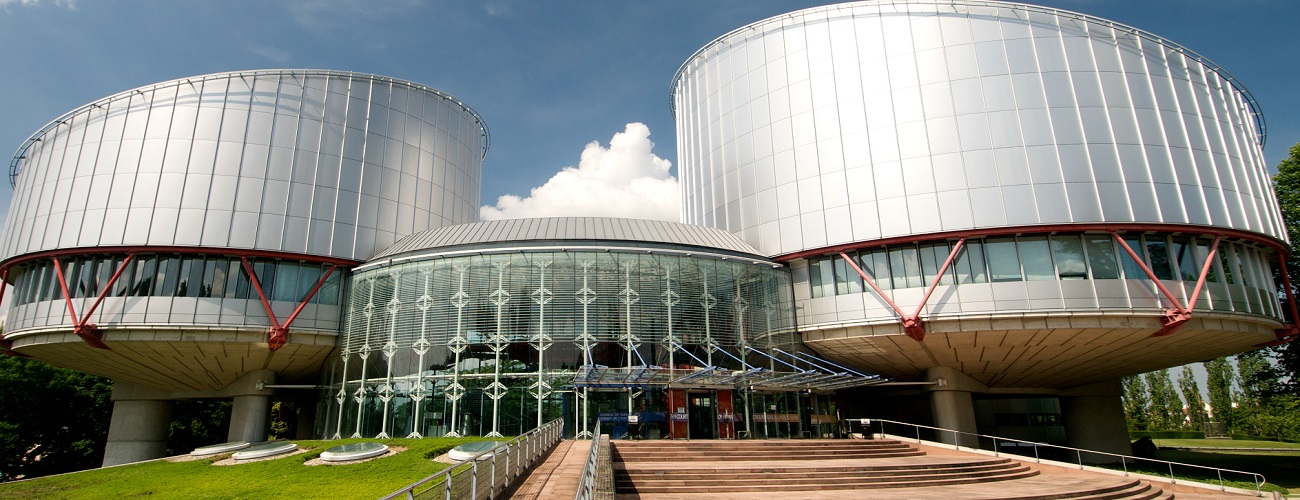
TEDH– Process n.º 50942/20 e n.º 2022/21
In a decision issued in Cases No. 50942/20 and No. 2022/21, the European Court of Human Rights (ECHR) ruled that increasing the use of the Latvian national language in preschool does not constitute discrimination against the ethnic and linguistic Russian minority.
The case involves applicants who are Latvian nationals or permanent residents without Latvian citizenship, parents, and children identifying as part of the Russian-speaking minority in Latvia and living in Riga and Jūrmala (Latvia).
According to the country's Constitution, Latvian is the sole national language. However, after the Soviet period, education continued in both Latvian and Russian, as it was during Soviet times. In November 2018, new preschool education regulations were adopted (Cabinet Regulation No. 716), mandating that, from September 1, 2019, the primary language of communication in classes for children aged five and older should be Latvian, except for activities specifically organized to help children learn the minority language and culture.
The applicants argued that the 2018 amendments restricted their "right to private and family life, the right to education, and alleged that the difference in treatment between Russian-speaking and Latvian-speaking preschool students amounted to discrimination."”.
The Court found no restriction on the right to education, stating that Latvian is the country’s official language and that“students would continue to receive instruction in this language, and the applicants failed to demonstrate any adverse effects on their ability to access education.””.
Furthermore, the Court ruled that“Russian-speaking and Latvian-speaking students were in a sufficiently similar situation regarding the continuation of their preschool education.””.
Additionally, the Court noted that“strengthening the Latvian language after decades of Soviet domination, and promoting unity and equal access to the education system, were legitimate objectives”of post-Soviet Latvia. The Court emphasized that with the restoration of its independence, the Latvian state“needed to address pre-existing factual inequalities and also ensure that minority groups could learn their language and preserve their culture,”while simultaneously ensuring that minority groups“learned enough of the national language to effectively participate in public life.””.
Thus, the ECHR held that the Latvian Constitution establishes Latvian as the official language and that“the 2018 educational reform did not discriminate against Russian speakers,”as it uniformly required the use of Latvian starting from the second stage of preschool. The Court declared that there was no violation of Article 14, in conjunction with Article 2 of Protocol No. 1 of the European Convention on Human Rights (ECHR).
This decision may have implications for other countries formerly part of the Soviet bloc and others with significant ethnic and linguistic minorities.
We invite everyone to follow the Observatório on social media for more relevant and up-to-date content on Constitutional Justice.